E-Invoicing Consultancy in UAE: Ensuring Seamless Compliance and Efficiency
12/12/2025
From corporate tax registration to audits and bookkeeping, Young & Right offers personalized solutions that keep your business compliant and stress-free. Let’s take the complexity off your plate—starting with a free consultation.
Book Your Free Consultation
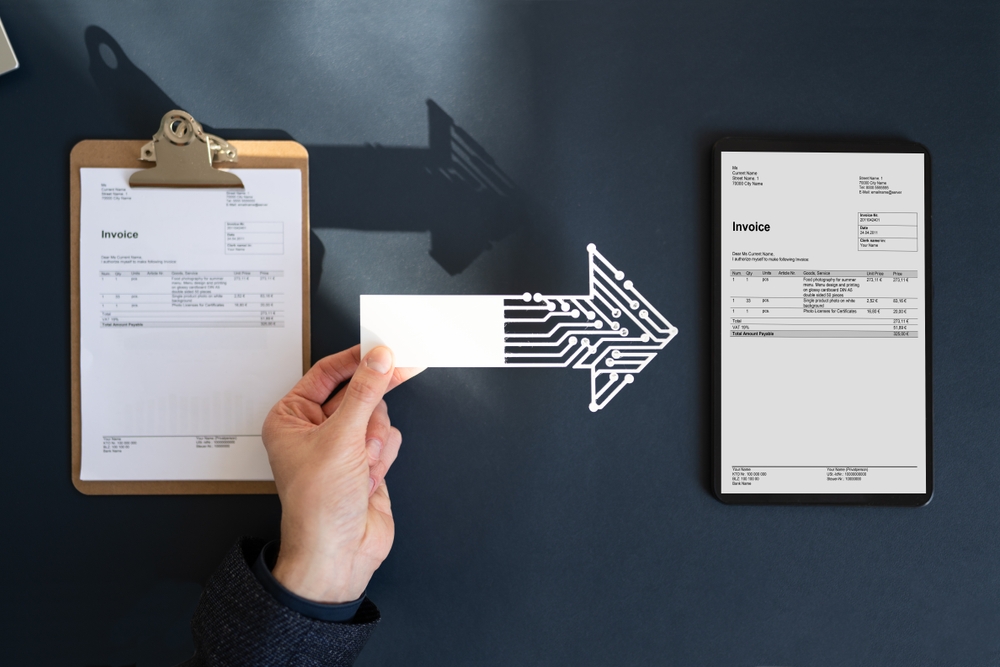
In 2022, the UAE introduced a major digital transformation initiative by mandating e-invoicing for businesses. E-invoicing allows businesses to generate, transmit, and store invoices in a structured digital format, ensuring that they comply with the UAE’s tax laws. This guide will walk you through the e-invoicing process, its benefits, and how businesses can implement it successfully.
E-invoicing is the electronic generation, transmission, and storage of invoices in a format that meets the UAE’s Federal Tax Authority (FTA) requirements. It replaces traditional paper invoices with digital ones, making the invoicing process faster, more secure, and compliant with the UAE tax system.
As part of the UAE's ongoing push towards a fully digital economy, e-invoicing is now mandatory for businesses registered for VAT in the country. The system simplifies tax reporting, reduces fraud, and ensures that businesses are aligned with the FTA’s compliance requirements.
E-invoicing ensures that all transactions are digitally captured and reported, which helps businesses stay compliant with VAT regulations. The system automatically integrates with the FTA's reporting platform, reducing the risk of errors and discrepancies in VAT reporting.
Automating the invoicing process through e-invoicing eliminates manual errors and delays, making the entire process quicker and more accurate. Businesses no longer need to manually input invoice details or store physical copies of invoices, saving time and effort.
With all transactions digitally recorded, the e-invoicing system provides clear visibility of the invoices generated. This helps businesses maintain a transparent record of their financial transactions, which can be audited easily by the FTA.
By reducing paper-based processes and automating invoicing tasks, businesses can cut costs related to paper, printing, storage, and manual labor. E-invoicing also helps minimize the chances of fraud or mistakes in tax reporting, reducing potential fines and penalties.
E-invoicing in the UAE is governed by the Federal Tax Authority (FTA), and businesses must comply with the prescribed digital formats. Here’s a breakdown of how e-invoicing works:
Invoice Generation: Businesses generate invoices using an e-invoicing platform, which formats the invoice in a structured manner (such as XML or JSON).
Transmission: The e-invoice is transmitted to the FTA’s system via an Accredited Service Provider (ASP), ensuring that it adheres to the required standards.
Invoice Validation: The FTA validates the invoice based on the business's tax registration and the invoice’s compliance with the VAT laws.
Acknowledgment: Once the FTA validates the invoice, an acknowledgment is sent back to the sender, confirming successful transmission and compliance.
When implementing e-invoicing, businesses should ensure that the platform they choose has the following features:
The e-invoicing system should seamlessly integrate with your existing ERP or point-of-sale (POS) systems. This ensures that invoices are automatically generated based on sales transactions, minimizing the need for manual entry.
The e-invoicing system must comply with the UAE’s VAT requirements, including the generation of invoices in XML or JSON format, along with relevant tax details such as VAT rate and amount.
To ensure the authenticity and security of the invoices, the e-invoicing system should include digital signatures and encryption. This guarantees that the invoice is valid and has not been altered during transmission.
A user-friendly dashboard should allow businesses to track and manage their invoices. This dashboard should display the status of submitted invoices, provide alerts for any issues, and allow easy access to archived invoices.
The system should automatically notify users about the status of their invoices, including successful submissions, rejections, and any required actions to ensure compliance.
At Young & Right, we provide expert consultancy services to help businesses navigate the complexities of e-invoicing in the UAE. Our services include:
We assist businesses in selecting and implementing the right e-invoicing solution that integrates seamlessly with their ERP or POS systems.
Our team ensures that your business stays compliant with the latest e-invoicing regulations and VAT requirements set by the FTA. We offer ongoing support to help you maintain compliance as the rules evolve.
We provide training for your staff on how to use the e-invoicing system, ensuring a smooth transition to digital invoicing. Additionally, we offer ongoing support to address any issues that arise during usage.
Our team can help integrate e-invoicing with your accounting and financial reporting systems, ensuring that all your tax-related data is accurate and up-to-date.
As part of our comprehensive digital transformation services, we help businesses optimize their invoicing process and ensure long-term efficiency gains.
E-invoicing is a vital component of the UAE’s tax reform and offers significant benefits to businesses. By implementing e-invoicing, UAE firms can improve operational efficiency, ensure VAT compliance, and avoid potential penalties. At Young & Right, we provide end-to-end support to ensure your business transitions smoothly to the e-invoicing system, staying compliant with all regulations while optimizing your invoicing processes.


Get in touch with Young & Right for tailored e-invoicing solutions for your business, ensuring smooth compliance with UAE regulations.
Contact Us for Consultation