What Are the Benefits of Outsourcing Financial Reporting?
16/09/2026
From corporate tax registration to audits and bookkeeping, Young & Right offers personalized solutions that keep your business compliant and stress-free. Let’s take the complexity off your plate—starting with a free consultation.
Book Your Free Consultation

Accurate financial reporting is essential for businesses that want to understand their financial performance, maintain reliable accounting records, and make informed business decisions. Financial Reporting Services UAE help businesses prepare, review, analyse, and present financial information in a structured and useful format.
For UAE businesses, proper financial records are also important for tax compliance and audit readiness. The Federal Tax Authority has issued current rules concerning the information that must be maintained in accounting records and commercial books.
Whether you operate a startup, SME, trading company, professional-services business, or growing enterprise, professional financial reporting can provide greater visibility into revenue, expenses, assets, liabilities, cash flow, and profitability.
Financial Reporting Services UAE involve preparing and presenting financial information so that business owners, management, investors, lenders, auditors, and other authorised stakeholders can understand the company's financial position and performance.
Common financial reports include:
For UAE Corporate Tax purposes, the FTA states that financial statements should be prepared using accounting standards accepted in the UAE, with IFRS being the most frequently used standard.
Reliable financial reports help management understand whether the business is generating sustainable revenue and controlling costs effectively.
Financial reporting can help identify:
This information allows management to make decisions based on financial data rather than assumptions.
Professional reporting involves reviewing accounting entries, reconciliations, balances, and supporting documentation before financial information is presented.
This can help identify errors such as:
Financial records are an important source of information for determining tax obligations. The FTA states that Corporate Tax taxpayers must maintain records and documents supporting information reported in their tax returns. These include transaction records, asset records, liability records, and other relevant documentation.
Accurate financial reporting therefore helps businesses maintain better documentation and improve their readiness for tax compliance and reviews.
Well-organised financial statements can make the audit process more structured.
Depending on the business and applicable requirements, auditors may need access to:
Professional financial reporting helps organise this information before an audit or financial review.
A professional financial reporting process can include several activities.
Financial statements can be prepared from properly maintained accounting records and supporting documentation.
Typical statements include:
Management reports provide business owners with more frequent financial information than annual financial statements.
Examples include:
Bank reconciliation compares accounting records with bank statements to identify differences and ensure that cash balances are properly recorded.
Receivables reports help businesses monitor:
Payables reporting helps businesses understand what they owe suppliers and when payments are due.
Financial reporting can go beyond simply preparing statements. Analysis can help management understand:
Financial reporting can be useful for businesses of different sizes and industries, including:
Growing businesses often need simple but reliable monthly financial reports to monitor cash flow and profitability.
Trading businesses can use financial reporting to monitor sales, purchases, inventory, gross margins, receivables, and supplier liabilities.
Manufacturers may require detailed reporting covering production costs, inventory, overheads, and profitability.
Consultancies, agencies, accounting firms, technology businesses, and other service companies can use financial reporting to monitor revenue, payroll, operating expenses, and project profitability.
Free-zone businesses may have accounting and reporting requirements that depend on their free zone, legal structure, activities, and other applicable rules. Financial reporting can help maintain organised records for those requirements.
Financial reporting has become particularly important following the introduction of UAE Corporate Tax.
The FTA confirms that not every Corporate Tax entity is automatically required to have audited financial statements; audited or certified financial statements apply to categories specified under the relevant Ministerial decision.
This distinction is important:
Financial reporting ≠ statutory audit ≠ tax audit.
Financial reporting involves preparing and presenting financial information. An audit involves an independent examination of financial statements. A tax audit focuses on tax compliance and the information relevant to the applicable tax legislation.
Businesses should therefore determine which accounting, reporting, audit, and tax requirements apply to their specific structure and circumstances.
A typical financial reporting process may follow these steps:
Relevant accounting data is collected from invoices, receipts, bank statements, payroll, sales records, purchase records, inventory systems, and other sources.
Transactions are reviewed and classified under appropriate accounting categories.
Bank accounts, receivables, payables, inventory, loans, and other relevant balances are reconciled.
Accruals, prepayments, depreciation, provisions, and other applicable adjustments may be reviewed before final reporting.
The relevant financial statements and management reports are prepared using appropriate accounting standards.
The reports can then be analysed to identify trends, variances, risks, and opportunities.
Business owners and management can use the reports to make financial and operational decisions.
The exact documents depend on the business, accounting system, and reporting requirements. Common documents include:
UAE Corporate Tax taxpayers are required to retain records and supporting documents relevant to their tax obligations, with the FTA stating a general seven-year retention period for relevant Corporate Tax records.
Professional financial reporting can help businesses:
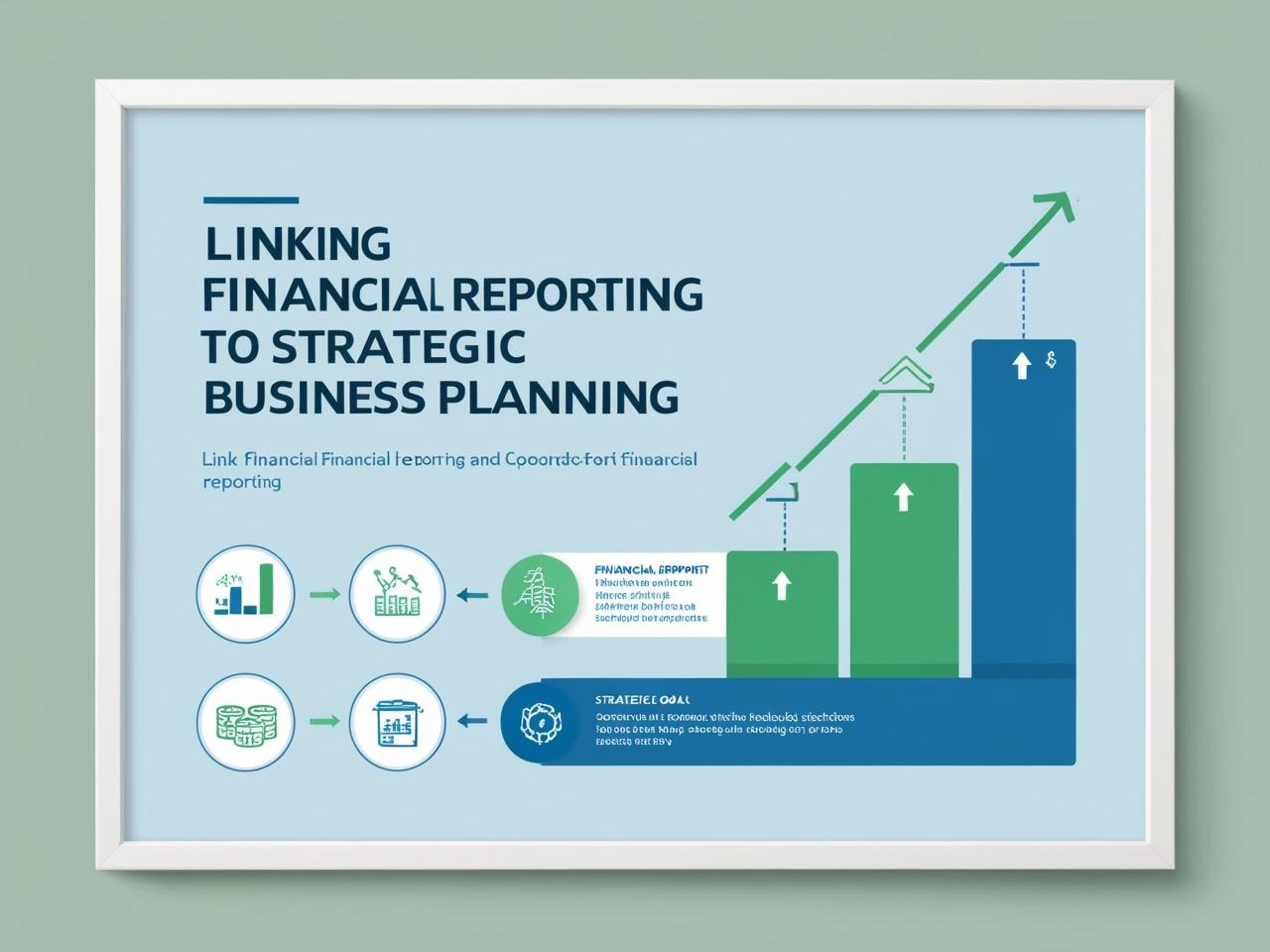
The value of financial reporting is therefore not limited to producing financial statements. It provides management with structured information that can support day-to-day and long-term business planning.
Young and Right can support UAE businesses with structured financial reporting and accounting-related requirements.
Financial reporting support can include:
The reporting process can be tailored to the size, industry, accounting system, and reporting needs of the business.

Get reliable financial reporting support to maintain accurate financial statements, improve transparency, monitor business performance, and support better strategic decisions. Let experienced professionals help you keep your financial reporting organized and dependable.
Get Expert Financial Reporting Support