What Are the Benefits of Outsourcing Financial Reporting?
16/09/2026
From corporate tax registration to audits and bookkeeping, Young & Right offers personalized solutions that keep your business compliant and stress-free. Let’s take the complexity off your plate—starting with a free consultation.
Book Your Free Consultation

Financial reporting services in UAE involve preparing, organising, reviewing, and presenting a business's financial information in a clear and structured format. These services help business owners and management understand revenue, expenses, assets, liabilities, cash flow, profitability, and overall financial performance.
For UAE businesses, financial reporting is also closely connected with accounting, Corporate Tax compliance, audit preparation, and financial decision-making. The Federal Tax Authority (FTA) requires taxable persons to maintain records and documents supporting the information reported for Corporate Tax purposes.
Financial reporting services are professional accounting services that transform a company's financial transactions and accounting records into useful financial reports.
These services may include preparing:
The purpose is not simply to produce numbers. Financial reporting helps businesses understand where money is coming from, where it is being spent, what the company owns and owes, and whether the business is financially performing as expected.
For UAE Corporate Tax purposes, financial statements are prepared using accounting standards accepted in the UAE. IFRS is the most frequently used standard, while IFRS for SMEs can apply where the relevant conditions are satisfied.
Accurate financial reporting gives business owners reliable information for making financial and operational decisions.
Financial reports help management evaluate:
By reviewing these figures regularly, businesses can identify financial trends and areas requiring attention.
Business decisions such as hiring employees, expanding operations, purchasing assets, opening a new branch, or increasing marketing expenditure should ideally be supported by reliable financial information.
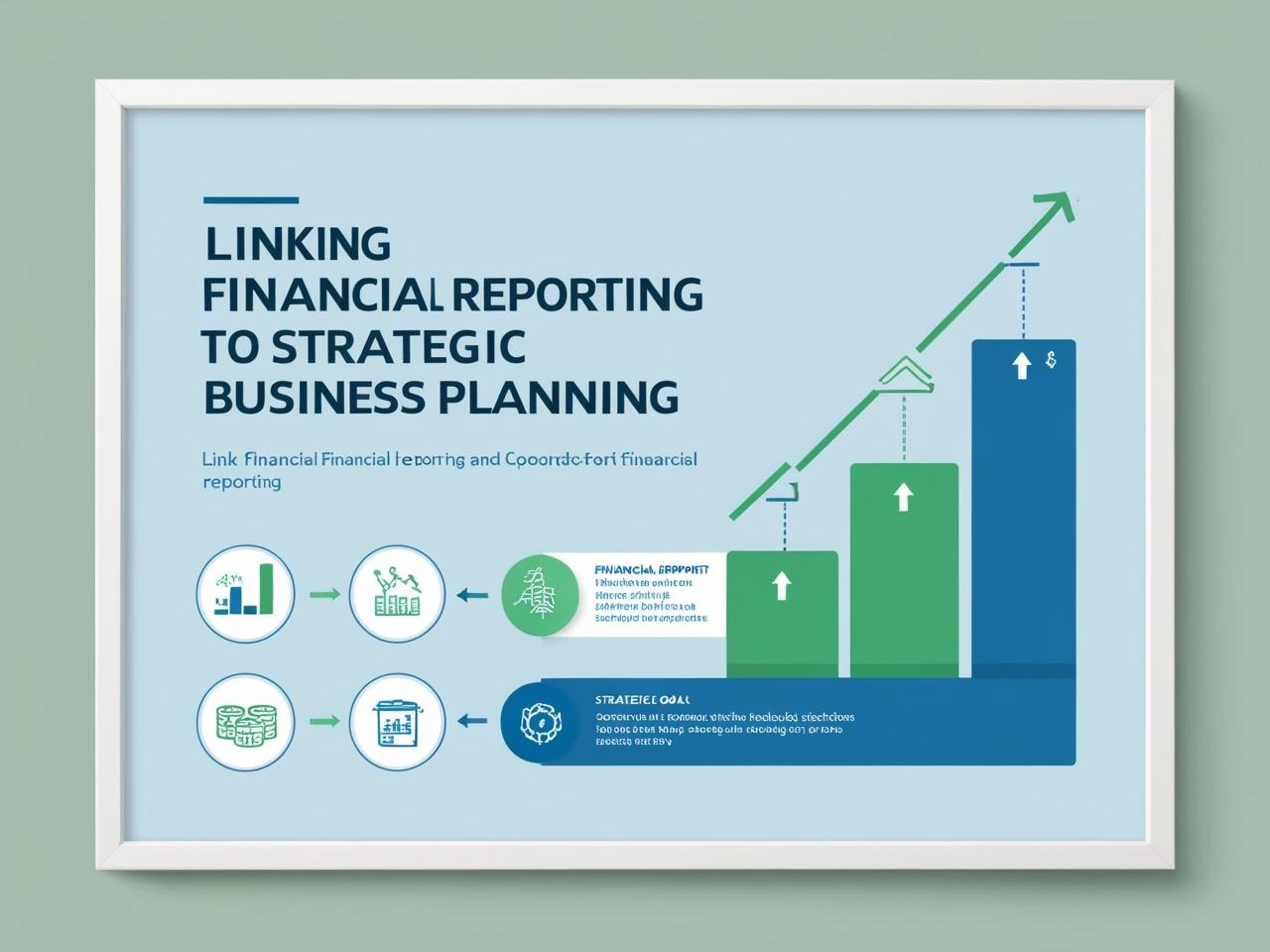
Financial reporting provides management with structured information that can be used for budgeting, forecasting, and strategic planning.
Regular reporting can help identify unusual transactions, accounting errors, unexplained variances, overdue receivables, increasing expenses, and cash-flow issues.
This can strengthen internal financial controls and improve the quality of accounting records.
Financial statements are particularly relevant to UAE Corporate Tax because accounting income is used as the starting point for determining taxable income, subject to the applicable tax adjustments.
The FTA states that taxable persons must maintain records and documents supporting their Corporate Tax returns, including relevant transaction, asset, liability, and other required records. These records generally need to be retained for at least seven years following the end of the relevant Tax Period.
The exact scope depends on the company's requirements, but professional financial reporting services may include the following.
Financial statements provide a structured view of a company's financial position and performance.
Common statements include:
Management reports provide business owners with financial information that can be reviewed monthly or quarterly.
Examples include:
Financial reporting normally requires reconciliation of important accounts.
This may include:
Reconciliation helps identify differences between accounting records and supporting records.
Financial reporting can also include analysis of financial performance.
Businesses may analyse:
This allows management to understand the financial condition of the business beyond the basic figures shown in financial statements.
Financial reporting can benefit businesses across different industries and company sizes.
Startups can use financial reports to monitor cash flow, operating expenses, investment, revenue growth, and profitability.
SMEs can use monthly or quarterly financial reports to monitor performance and plan future business activities.
Trading businesses may require reporting for sales, purchases, inventory, gross margins, receivables, and supplier balances.
Manufacturers may require detailed reports covering production costs, inventory, overheads, and product profitability.
Consultancies, agencies, technology companies, and other service businesses can use financial reporting to monitor revenue, payroll, operating costs, and project profitability.
Free Zone businesses may have accounting, reporting, audit, and tax requirements depending on their legal structure, free zone authority, business activity, and applicable legislation. Professional financial reporting can help maintain organised financial records for these requirements.
A typical financial reporting process can involve several stages.
The accounting team collects information such as:
Transactions are reviewed and classified into the appropriate accounting accounts.
Bank accounts, receivables, payables, inventory, loans, and other relevant balances are reconciled.
Depending on the accounting basis and circumstances, adjustments such as depreciation, accruals, provisions, and prepayments may be considered.
The relevant financial statements and management reports are prepared using the applicable accounting standards and reporting requirements.
Financial information is reviewed to identify trends, variances, risks, and areas requiring management attention.
The final reports can be presented to business owners or management for decision-making and financial planning.
For UAE Corporate Tax purposes, the FTA states that financial statements should be prepared according to accounting standards accepted in the UAE.
IFRS (International Financial Reporting Standards) is the most frequently used accounting standard in the UAE. The FTA also recognises IFRS for SMEs for eligible taxpayers meeting the relevant revenue condition. (FTA UAE)
Businesses should determine the appropriate accounting standard based on their circumstances and applicable UAE requirements.
The answer depends on the business, applicable legislation, legal structure, regulatory authority, tax requirements, and other circumstances.
It is important to distinguish between:
Not every UAE business subject to Corporate Tax is automatically required to have audited financial statements. The FTA states that only categories specified by the relevant Ministerial decision are required to prepare and maintain audited or certified financial statements.
However, maintaining appropriate accounting records and financial information remains important for businesses subject to applicable tax and regulatory requirements.
Financial reporting and auditing are related but different activities.
Financial reporting focuses on preparing and presenting financial information.
Financial auditing involves an independent examination of financial statements and supporting evidence according to applicable auditing requirements.
A business may therefore need financial reporting support even when its specific circumstances do not require an audit.
Professional financial reporting services can help UAE businesses:
The FTA's current legislation framework also includes FTA Decision No. 4 of 2026, which sets rules and requirements relating to information maintained in accounting records and commercial books.
Young and Right provides accounting and financial support for businesses seeking organised and reliable financial reporting processes in the UAE.
Financial reporting support from Young and Right can include:
Young and Right can help businesses turn accounting information into clear financial reports that are easier for management to review and use for business planning.
The appropriate reporting frequency depends on the size and nature of the business.
Many businesses benefit from:
Businesses with complex operations, multiple branches, significant inventory, or active cash-flow management requirements may benefit from more frequent reporting.


financial transparency and make informed business decisions with professional financial reporting services. Get reliable support for preparing accurate financial statements, organizing financial data, monitoring performance, and maintaining proper reporting practices.
Get Expert Financial Reporting Services