
UAE Free Zones vs Designated Zones: New Tax Clarification 2026
25/11/2026
From corporate tax registration to audits and bookkeeping, Young & Right offers personalized solutions that keep your business compliant and stress-free. Let’s take the complexity off your plate—starting with a free consultation.
Book Your Free Consultation
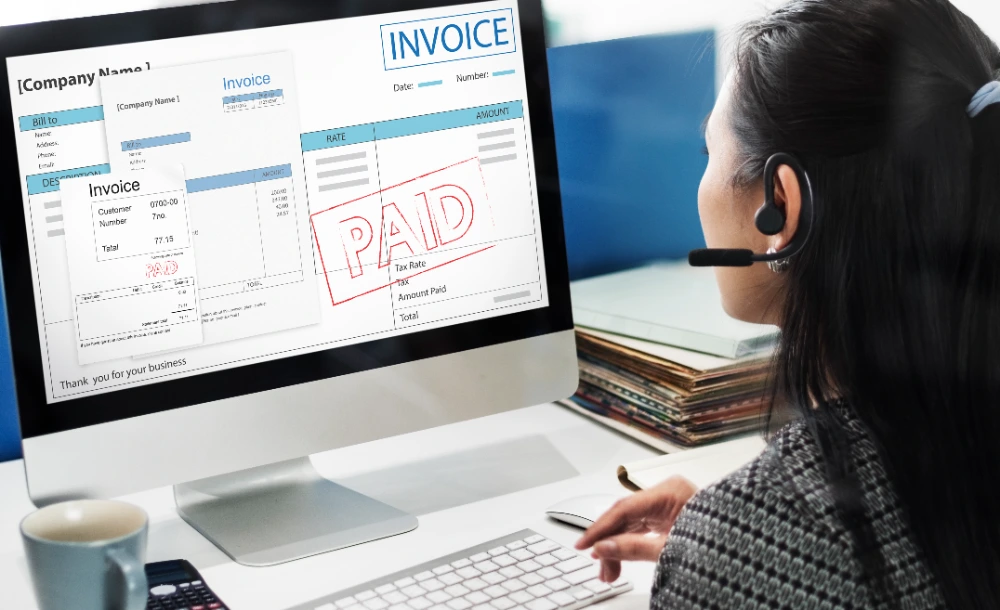
UAE e-invoicing for branch offices is an important consideration for companies operating multiple locations across Dubai, Abu Dhabi, Sharjah and other emirates.
While many businesses manage their invoicing centrally, individual branches may operate with different trade licences, addresses, sales teams and accounting systems.
As mandatory electronic invoicing approaches, businesses must ensure that these operational differences are correctly reflected in their electronic invoice data.
Transactions conducted through a branch office may fall within the UAE electronic invoicing framework when the underlying business and transaction are within scope.
Businesses should evaluate their legal entity structure, tax registration status and transaction types before determining their implementation requirements.
Having multiple branches does not automatically mean that each branch must be treated as an independent taxable person.
According to the FTA's electronic invoicing guidance, invoices issued by branches should include the relevant branch address and unique trade licence number under the applicable invoice data field requirements.
Uae E-Invoicing
Businesses should therefore ensure their accounting and invoicing systems contain accurate branch-level information.
Yes. Businesses may operate a centralised accounting or ERP system across multiple branches.
However, the system should be capable of identifying the relevant branch and correctly assigning transaction details.
Important considerations include:
Branch addresses and licence information
Customer and supplier master data
Invoice numbering controls
Transaction-level reporting
VAT classification
Accredited Service Provider integration
Branch-wise reconciliation
|
|---|
The appropriate approach depends on the company's structure and technical requirements.
Businesses operating several locations may face challenges such as inconsistent customer records, incorrect branch identification, duplicate invoice numbers and incomplete integration between sales and accounting systems.
These issues can become more significant when invoice information must be transmitted in a structured electronic format.
Conducting a data quality assessment before implementation can reduce unnecessary corrections and operational delays.
Start by reviewing the legal and tax registration structure of the business. Map every branch to its correct accounting records and review the accuracy of existing customer information.
The next step is to assess whether the ERP or accounting software can generate the required structured invoice data.
Businesses should also establish procedures for invoice approval, credit notes, rejected transactions and reconciliation.
Young & Right Accounting & Tax Consultancy assists UAE businesses with e-invoicing readiness assessments, accounting system reviews, implementation planning and ongoing reconciliation support.
Our services help businesses prepare their financial processes for electronic invoicing requirements while maintaining accurate branch-level accounting records.
Preparing for UAE e-invoicing for branch offices requires more than upgrading invoicing software. Businesses must understand their legal structure, maintain accurate branch information and ensure consistent financial reporting across all locations.
Early preparation can help reduce implementation challenges and support a smoother transition to electronic invoicing.

Ensure your branch offices follow the correct UAE e-invoicing requirements. Get expert guidance on invoice issuance, VAT compliance, and multi-branch accounting processes.
Get E-Invoicing Consultation